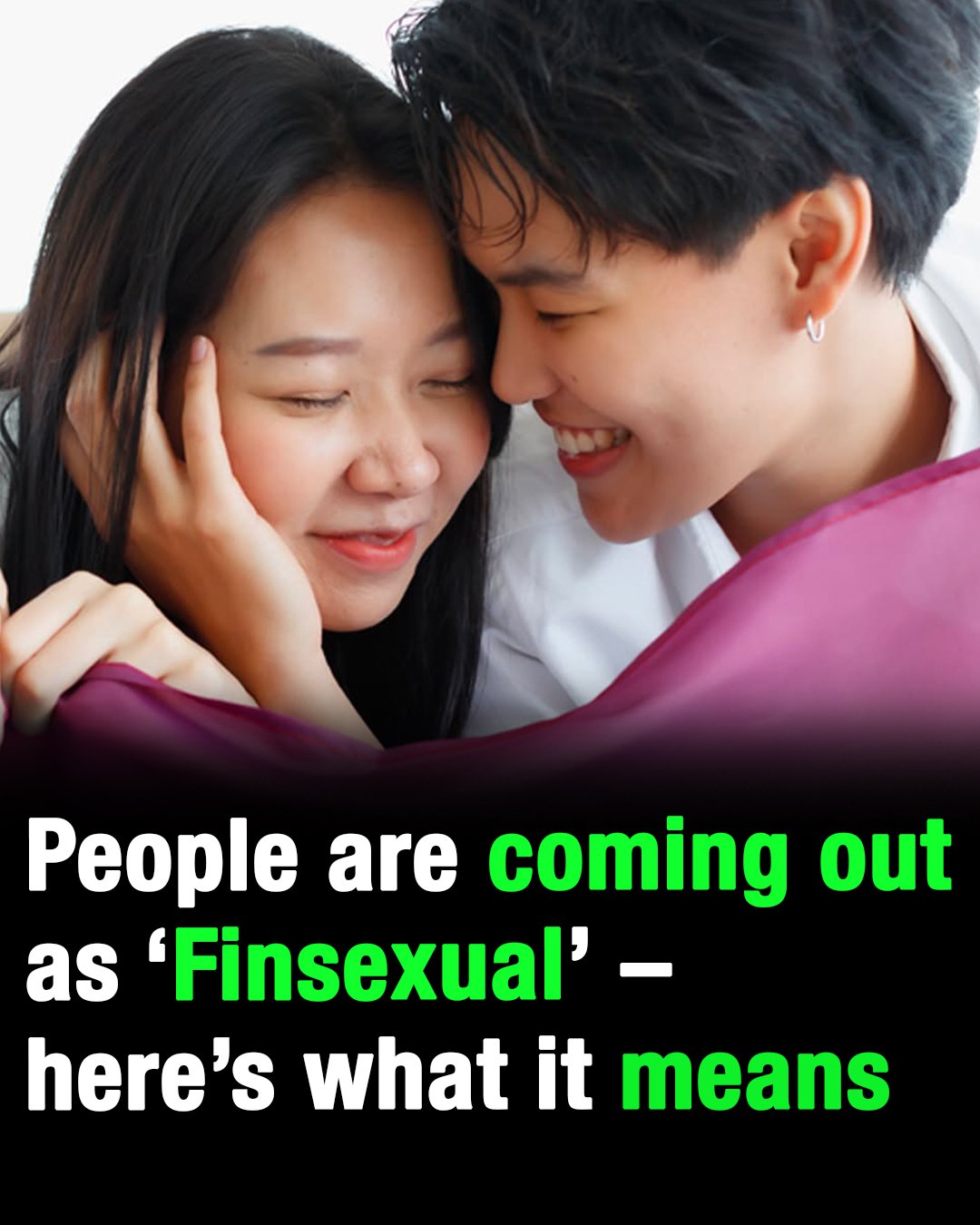
The digital landscape is currently witnessing a massive surge in the visibility of a term that many are hearing for the first time: finsexual. While the internet frequently erupts over new terminology, the conversation surrounding finsexuality reflects a much deeper cultural shift. It isn’t just about adding another word to the dictionary; it represents a fundamental change in how a new generation is choosing to define attraction, moving away from rigid gender categories and toward a more fluid appreciation of human expression.
At its most basic level, “finsexual” refers to an individual who is attracted to femininity as a quality, regardless of the person’s biological sex or gender identity. The prefix “fin” stands for “Feminine In Nature.” This means that a person identifying as finsexual might find themselves drawn to women, feminine-presenting nonbinary individuals, or even men who embody traditionally feminine traits, energy, or aesthetics. In this framework, the primary spark of attraction is ignited by the expression of femininity itself, rather than a checkbox on a birth certificate.
This distinction is where the concept becomes both revolutionary and, for some, incredibly confusing. Traditionally, our understanding of sexual orientation has been anchored in the relationship between two genders—heterosexual, homosexual, and bisexual all rely on the gender of the individuals involved. Finsexuality flips the script. Instead of asking, “What gender am I attracted to?” it asks, “What specific energy or presentation do I find compelling?” For those who have always felt that their attractions didn’t quite fit into traditional boxes, this term provides a level of precision and clarity that broader labels never offered.
The viral reaction to finsexuality speaks to a larger evolution in human identity. Where previous generations were often forced to squeeze their complex experiences into a handful of available categories, today’s landscape allows for hyper-specificity. While some find this liberating, others find the expanding vocabulary overwhelming. However, the underlying goal remains the same: the human desire to feel accurately represented and understood. As language begins to catch up with the infinite variations of human attraction, we move toward a world where identity is defined by the individual rather than society.