Being a responsible dog owner means understanding that your furry friend experiences the world through a lens entirely different from our own. While humans rely primarily on sight, dogs navigate their environment using a sophisticated sense of smell that serves as their primary source of information. This natural instinct is fundamental to how they recognize individuals, explore new settings, and establish trust. When we embrace this biological reality, we can move past embarrassment and build a deeper, more respectful bond with our canine companions.
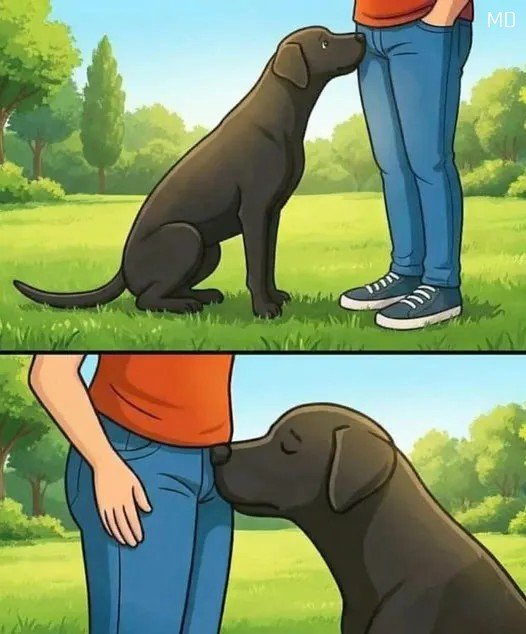
One of the most common behaviors that can catch owners off guard is the intense sniffing of guests or strangers. From a dog’s perspective, this is perfectly normal social etiquette. With an olfactory system containing up to 300 million receptors—compared to a mere five million in humans—dogs can detect minuscule chemical details. Through a single sniff, they learn about a person’s identity, their history, and even their current mood. What we perceive as an awkward intrusion is actually a high-speed data download and a friendly canine greeting.
The science behind this behavior involves pheromones, which are chemical signals naturally emitted by our bodies. When a dog sniffs a person, they are essentially reading an invisible diary of that person’s recent activities and stress levels. They can sense elevated cortisol if someone is nervous or adrenaline if they are excited. Using a specialized feature called the vomeronasal organ located in the roof of their mouth, dogs analyze these hormones to create a psychological profile, helping them determine if a person is a safe and trustworthy friend.
While sniffing is a natural instinct, proper training allows dogs to behave appropriately in social settings without suppressing their biological needs. Owners can use gentle redirection and positive reinforcement to guide these interactions, teaching commands like “sit” or rewarding calm greetings. By balancing their natural curiosity with consistent boundaries, you ensure that your dog feels secure and understood. Embracing your dog’s unique perspective transforms potentially awkward moments into opportunities for deeper communication and mutual respect.