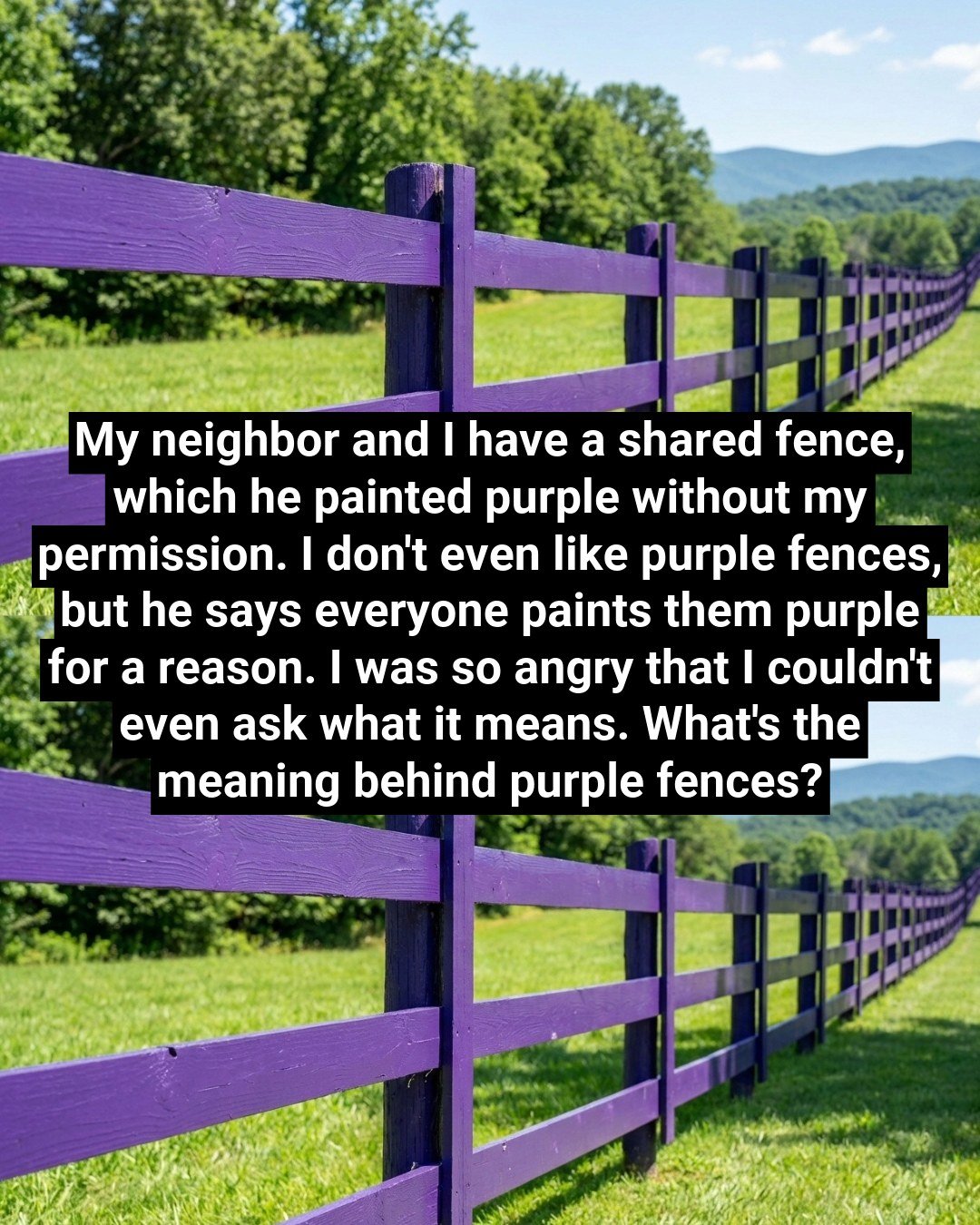
When wandering through rural areas or hiking near property lines, you might occasionally spot a vibrant streak of purple paint on a fence post or a tree trunk. While it may look like a random artistic choice or a simple decorative touch, this color serves a much more serious purpose. In many parts of the United States, that purple mark is a formal legal warning known as a "purple paint law" marking. It carries the exact same weight as a "No Trespassing" sign, signaling that the land beyond is private and unauthorized entry is prohibited.
The reason for this colorful system is rooted in practicality for landowners, especially those managing vast stretches of territory. Traditional signs are often victims of harsh weather, falling down or fading over time, and they are frequently stolen or vandalized. Paint, however, provides a durable and permanent solution. Landowners can mark their boundaries once and have peace of mind knowing the warning will remain visible for years, even in the densest woods or most remote fields where maintaining metal or plastic signage would be difficult.
For these markings to be legally binding, they must follow specific state-mandated guidelines. Generally, the paint must be applied in vertical stripes about an inch wide and several inches long. These stripes must be placed at a height where they are easily visible to the human eye, typically between three and five feet off the ground. Furthermore, the markings must be repeated at regular intervals along the property line to ensure that anyone approaching the boundary will encounter the warning multiple times, leaving no room for a claim of ignorance regarding the property’s status.
Ignoring these purple markers can lead to significant legal consequences, including fines and trespassing charges. However, it is important to note that these laws are not universal across the country. While many states have fully adopted these regulations to empower property owners, others only recognize them partially or not at all. Regardless of the specific local law, seeing purple paint should always be taken as a sign to stop and turn back. Understanding this simple visual cue can be the difference between a peaceful outdoor excursion and a costly legal confrontation.