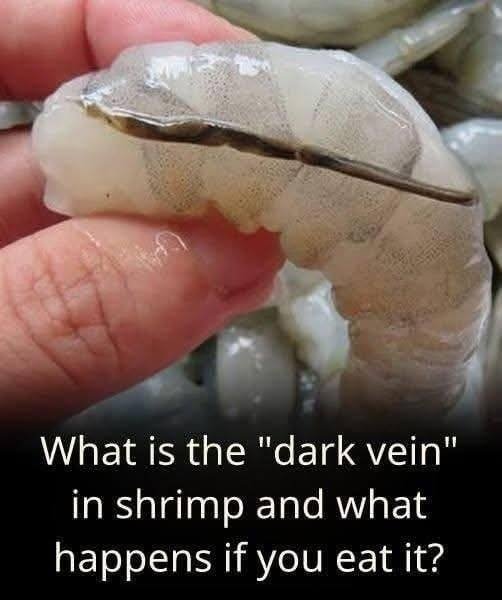
The mysterious dark line running along the curved back of a shrimp has long been a source of anxiety for home cooks and seafood enthusiasts alike. Commonly referred to as the “vein,” this feature is often the subject of intense kitchen debate regarding its safety and necessity in culinary preparation. While the name suggests part of a circulatory system, the truth is far more utilitarian: that dark line is actually the shrimp’s digestive tract. Understanding what it is and how it affects your meal is the first step toward moving from kitchen confusion to culinary confidence.
As bottom feeders, shrimp scavenge the ocean floor for organic materials, meaning the digestive tract is a narrow tube that carries waste, algae, plankton, and even tiny bits of sand or mud. Because the contents of the tract are a reflection of the shrimp’s last meal, the presence of the line is a biological reality rather than a defect. For many, the realization that the “vein” is essentially a waste pipe is enough to justify its removal, but the decision to devein usually comes down to three main factors: taste, texture, and visual presentation.
From a medical standpoint, food safety experts confirm that consuming the shrimp vein is not dangerous. When seafood is subjected to high temperatures through boiling, grilling, or frying, any bacteria present within the digestive tract are effectively neutralized. There are no documented health risks associated with eating a properly cooked vein. However, in larger shrimp varieties, the sediment inside the tract can create an unpleasant, gritty texture—like biting into sand—and may impart a slightly bitter or “muddy” flavor that interferes with the sweet, delicate brine of the shrimp meat.
Ultimately, the decision to devein is a judgment call based on the size of the crustacean and the nature of the dish. For jumbo or tiger shrimp where presentation is paramount, removing the tract results in a more polished, professional look and a smoother mouthfeel. For smaller “popcorn” shrimp or rustic shell-on preparations, the vein is often so minuscule that it is virtually imperceptible to the tongue. By knowing the facts, you can stop worrying about hidden toxins and start making preparation choices based on the quality of the dining experience you want to create.