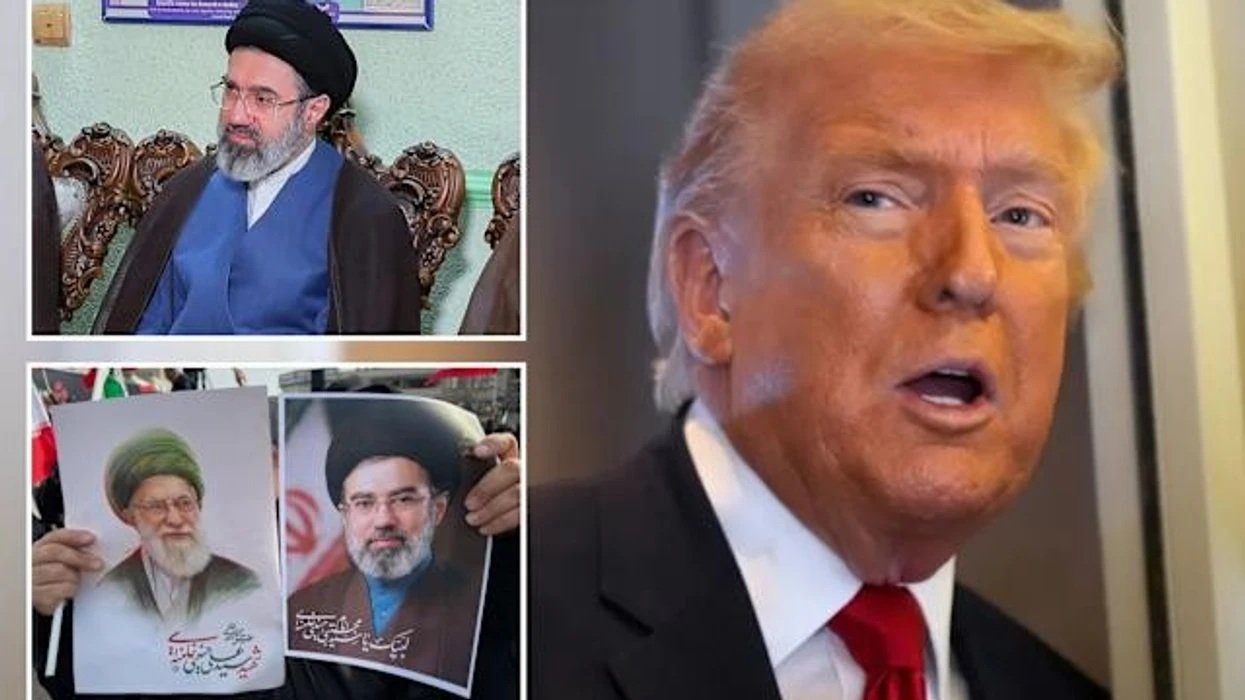
The night sky over the Middle East erupted into a terrifying display of modern warfare this week as joint military maneuvers by the United States and Israel, dubbed "Operation Epic Fury," targeted critical Iranian infrastructure. This high-stakes mission has fundamentally shifted the geopolitical landscape, shattering any lingering hopes for regional stability and replacing them with the looming threat of a global conflagration. As smoke billows from strategic sites across Tehran, world powers have entered a state of high alert, bracing for the ripple effects of a conflict that has transitioned from shadow boxing to direct, devastating confrontation.
According to senior officials in Washington and Tel Aviv, the operation was a calculated necessity aimed at neutralizing Iran’s burgeoning military and nuclear capabilities. The strikes focused on hardened sites and advanced air-defense installations that intelligence reports suggested were integral to an imminent threat against regional security. By precision-targeting these command-and-control systems, allied forces intended to send a clear message: the threshold of tolerance for nuclear expansion and proxy aggression has been crossed. However, the move has ignited a frantic assessment within the Iranian leadership, which has moved quickly to evaluate the extent of the damage to its strategic assets.
In the wake of the blasts, the atmosphere inside Tehran has turned to one of seething defiance. While Iranian state media has attempted to project strength by claiming several missiles were intercepted, the digital landscape is flooded with imagery of smoldering compounds and destroyed radar arrays. The rhetoric from the upper echelons of the Iranian government has shifted from standard diplomatic posturing to a dark and visceral promise of what they term "devastating revenge." This threat has raised the terrifying specter of asymmetric warfare, cyberattacks, and the activation of sleeper proxy networks across multiple continents, threatening to pull global financial markets and neighboring states into the vortex of instability.
The international community now watches with bated breath as diplomats from the European Union and other major powers scramble to initiate back-channel communications. There is a growing and desperate urgency to prevent a domino effect of violence that could draw in global superpowers and destabilize the international order for a generation. For ordinary families in cities like Tehran and Tel Aviv, the normal rhythms of life have been replaced by the bone-chilling wail of air-raid sirens and the psychological toll of living on the edge of total war. Whether diplomacy can reclaim the narrative or military momentum will prove unstoppable remains the defining question of this precarious new chapter in Middle Eastern history.