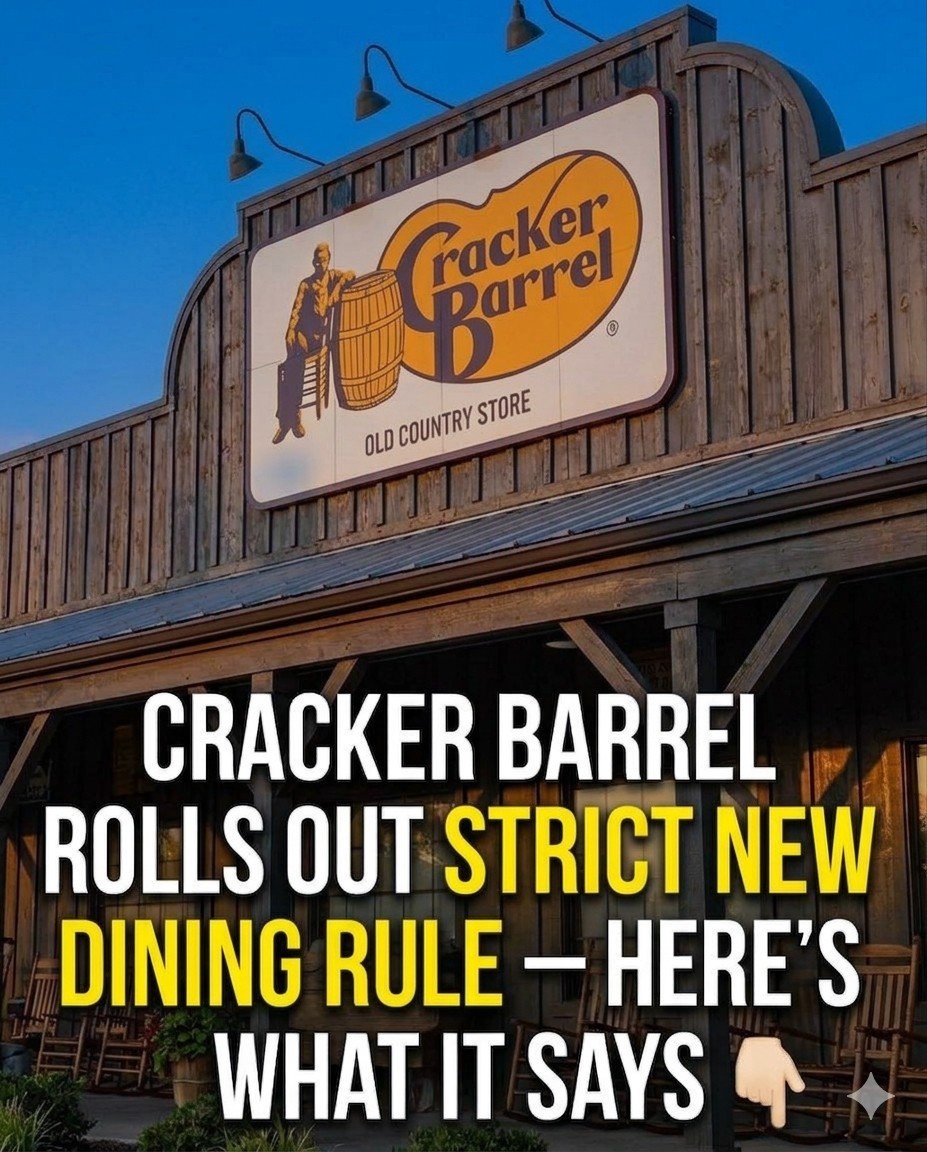
Cracker Barrel is currently navigating a delicate balancing act that transcends routine corporate updates. For decades, the brand has been synonymous with a specific old-time atmosphere—rocking chairs, wooden floors, and memorabilia-laden walls that offer a sense of consistency in a fast-paced world. However, recent attempts to modernize the brand’s visual identity sparked an immediate and surprisingly intense reaction from loyalists who felt that the very soul of the restaurant was being compromised by moving too far away from its roots.
The customer revolt was not driven by a dislike of modern design, but rather by a deep sense of ownership over the Cracker Barrel experience. When the company experimented with updated logos and cleaner interiors, guests pushed back, asserting that the cluttered and slightly worn aesthetic was exactly what they valued most. Recognizing the potential for a catastrophic brand disconnect, leadership chose to listen rather than double down, restoring several traditional design elements and acknowledging that for their audience, nostalgia is the primary product.
Beyond the dining room, the company also faced internal scrutiny regarding long-standing habits that had evolved into unwritten rules. Questions surfaced about employee travel expectations, specifically whether staff were mandated to dine at company locations while on work trips. In a move toward greater corporate transparency, Cracker Barrel clarified its policies, confirming that no such mandate exists and refining reimbursement guidelines. This shift highlights a willingness to separate meaningful traditions from outdated habits that no longer serve a modern workforce.
Ultimately, Cracker Barrel’s quiet crisis underscores a universal challenge for legacy brands: how to evolve without losing the essence of what made them relevant in the first place. By prioritizing clear communication and respecting the emotional bond customers have with their environment, the company is attempting to redefine its future without abandoning its past. If they can continue to balance necessary internal updates with a fierce protection of their signature atmosphere, they may prove that tradition can still matter in a rapidly changing market.