On a Saturday evening in April 2026, the prestigious atmosphere of the Washington Hilton was shattered by a chilling security breach during the White House Correspondents’ Dinner. Known as the nation’s “nerd prom,” the event usually features political satire and camaraderie, but the laughter was nearly silenced when a suspect bypassed several layers of standard monitoring. While high-ranking officials, including Donald Trump and JD Vance, were settled inside the ballroom, a life-and-death struggle was unfolding at the perimeter checkpoints that would mark one of the most significant security interventions in recent memory.
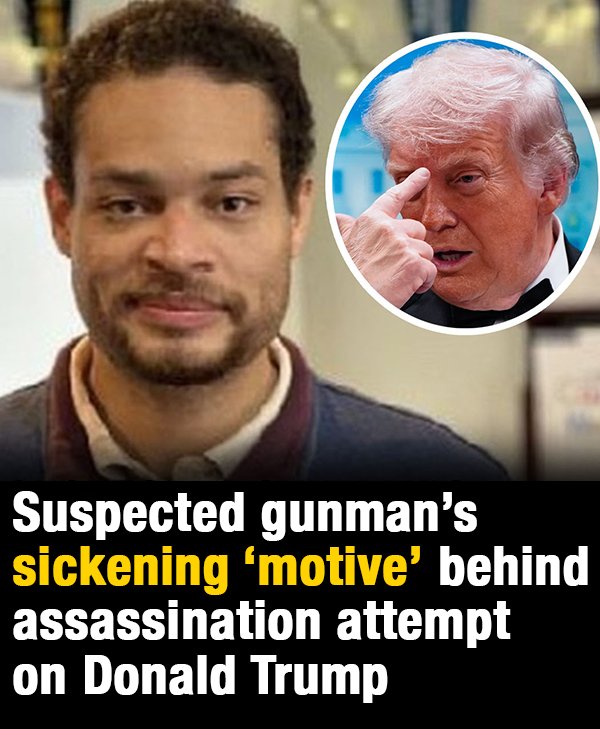
The suspect, identified by authorities as Cole Tomas Allen, allegedly attempted to breach the final security barrier, leading to a violent confrontation with law enforcement. United States Secret Service agents and local officers acted with surgical precision to neutralize the threat, though the encounter ultimately left a federal officer injured. The bravery displayed by the security detail served as the literal thin line between a high-profile dinner and a national tragedy, preventing the suspect from reaching the densely packed venue where the country’s political elite were gathered.
Following Allen’s apprehension, the situation grew even more dire as law enforcement recovered multiple weapons from his person and the immediate vicinity. This discovery elevated the incident from a simple trespassing case to a suspected attempted mass-casualty event or a targeted strike. Federal authorities are currently sifting through the suspect’s digital footprint and personal history to establish a definitive motive, but preliminary evidence suggests a level of premeditation that has put protective agencies across the country on high alert.
The legal fallout for Cole Tomas Allen has been swift, with prosecutors moving forward on charges including felony assault on a federal officer and various firearms-related offenses. This incident has reignited a fierce national debate regarding the effectiveness of modern security protocols and the safety of public officials in an increasingly polarized era. While the security fail-safes ultimately worked as engineered, the breach serves as a stark wake-up call about the evolving nature of threats facing the Secret Service and the silent guardians who protect the democratic process.