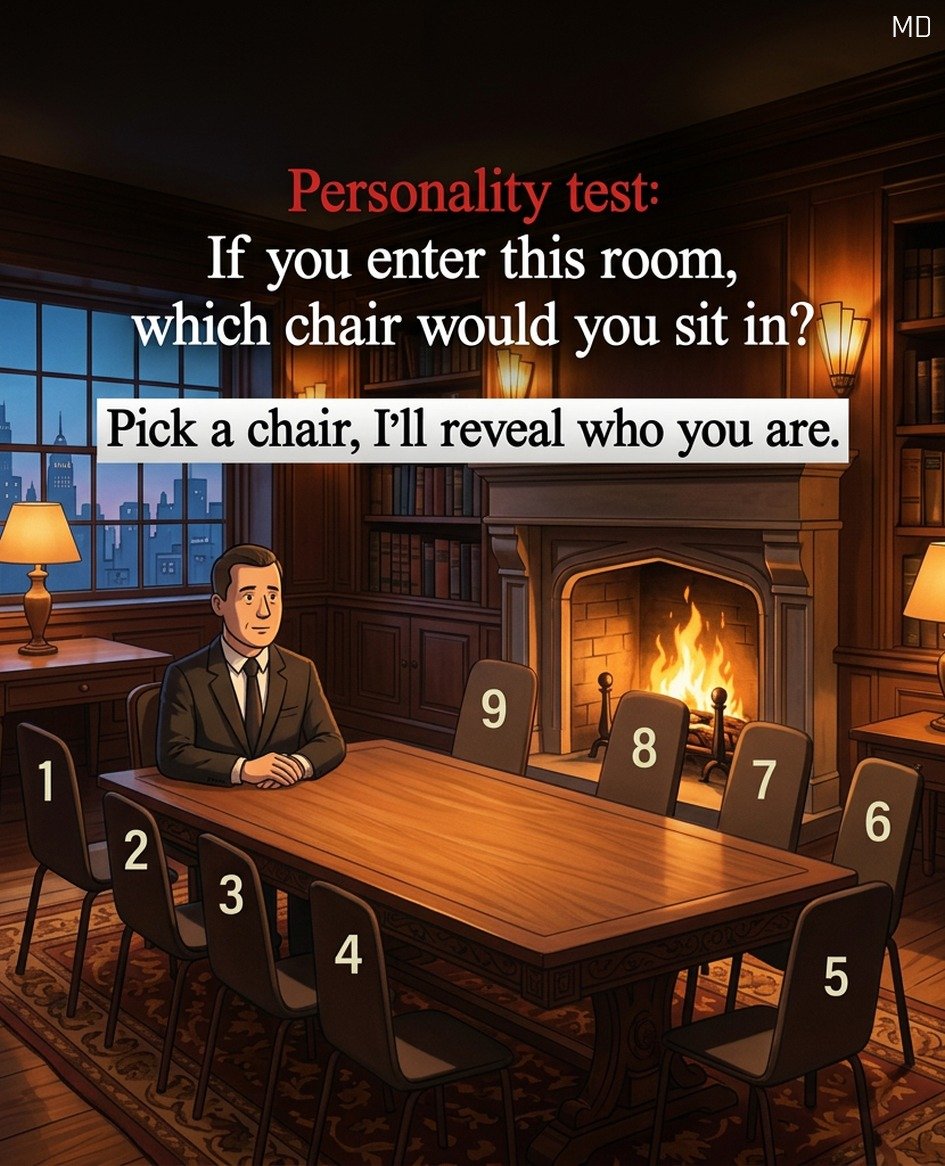
Choosing where to sit during a meal might seem like a trivial decision, but it serves as the invisible architecture of social connection. Your position at the table determines your proximity to others, dictating who you face and whose stories you are most likely to hear. Far from being a mere practical detail, your seat defines the network of interactions you engage in, quietly guiding the flow of dialogue and influencing your level of comfort throughout the gathering.
Different seating positions carry distinct psychological weights and roles within a group dynamic. The head of the table often commands a sense of presence, naturally allowing that individual to set the tone or lead the conversation. Conversely, those seated in the middle often act as essential connectors, bridging the gap between various conversational threads. Meanwhile, side seats offer a space for more fluid, less formal exchanges, and edge positions provide an observational vantage point that allows for deep listening and awareness of the group’s overall energy.
This dynamic is reflected globally, as various cultures use seating arrangements to reinforce social values and communal bonds. In Italy and Mexico, long, multi-generational meals are structured to facilitate the sharing of stories and the passing of traditions. In Japan, the intentional arrangement of guests reflects deep-seated respect and social awareness. Whether it is the shared plates of Morocco or the open fires of ancient gatherings, the physical act of sitting together has always been about more than just nourishment—it is about creating a rhythm of presence.
Ultimately, while the geometry of the table plays a significant role, the most profound connections are forged by intention rather than location. A person at the edge of the table can be just as engaged as the one at the center if they bring openness and attentiveness to the space. The true magic of a shared meal happens when the physical seat disappears, leaving behind only the exchange of ideas and the warmth of human interaction. By choosing to show up fully, every place at the table becomes a meaningful opportunity for connection.