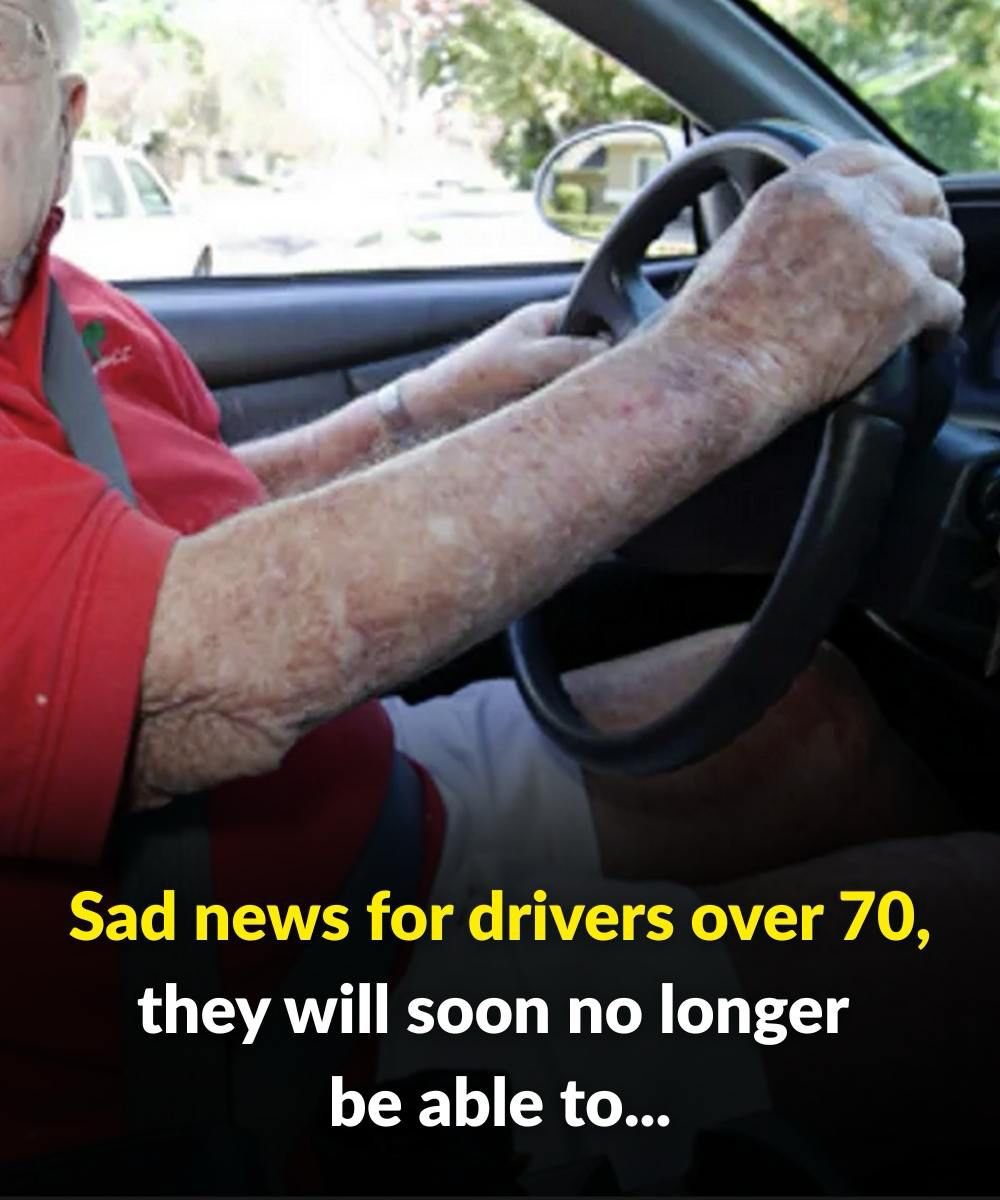
The conversation surrounding drivers over the age of 70 has gained significant momentum in recent years, sparked by a delicate balance between individual independence and public safety. For many seniors, a driver’s license is more than just a permit; it represents autonomy, connection, and the ability to maintain a lifelong routine. However, recent high-profile accidents involving older motorists, such as a tragic collision in La Rochelle, have forced communities and policymakers to reconsider whether age-based restrictions or mandatory assessments are becoming a necessity for the modern road.
Scientific data provides a complex backdrop to this debate, as road safety reports indicate that drivers over 75 are involved in accidents at rates similar to those of 18-to-24-year-olds. While young drivers often struggle with inexperience and risk-taking, older drivers face biological challenges such as declining vision, slower reflexes, and diminished hearing. These changes typically occur gradually, making it difficult for an individual to objectively assess their own driving capacity. Consequently, the transition from a highly experienced driver to one who may pose a risk can happen almost imperceptibly over time.
International approaches to this issue vary widely, creating a global patchwork of regulations. In France, a standard driver’s license currently remains valid for life without mandatory medical evaluations, relying heavily on personal responsibility. Conversely, countries like Italy and Germany have implemented structured systems where drivers over 70 or 75 must undergo regular medical exams focusing on coordination and physical health. These assessments are not designed to strip away freedom, but rather to ensure that every individual behind the wheel possesses the physical faculties required to navigate increasingly complex traffic environments.
Beyond strict legal bans or mandatory testing, there is a growing middle ground focused on support and adaptation. Many safety advocates recommend voluntary evaluations, refresher courses, and vehicle modifications—such as switching to automatic transmissions or utilizing lane-monitoring technology—to help seniors drive longer and more safely. By shifting the perspective from age-based limitations to ability-based support, society can help older drivers maintain their independence while ensuring the safety of all road users. Ultimately, the goal is not to end the journey for senior drivers, but to ensure that every trip concludes safely for everyone involved.