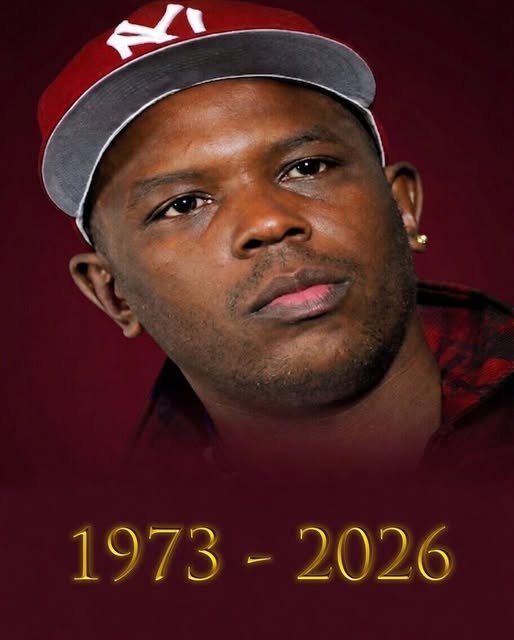
The history of hip-hop is often told through the legends who command the microphone, but the true strength of the Wu-Tang Clan rested on the shoulders of an architect who preferred the shadows. Following the passing of Oliver Power Grant at age 52, the music world is reflecting on a man who was far more than a witness to greatness; he was the primary strategist who translated visceral street energy into a global, multi-generational empire. While the RZA provided the sonic blueprint, Grant provided the structural integrity necessary to navigate a music industry that was notoriously predatory toward young artists.
Grant’s genius was rooted in a revolutionary understanding of ownership and autonomy. In an era where artists were often treated as disposable commodities, he helped negotiate the unprecedented deal with Loud Records that allowed individual members to sign solo contracts with competing labels. This “divide and conquer” strategy turned the collective into a sovereign nation of talent, ensuring that the brand remained relevant for decades. By focusing on long-term stability over short-term visibility, he protected the creative process from the volatile whims of corporate executives.
Long before “equity” and “brand partnerships” became industry buzzwords, Grant launched Wu Wear in 1995 as a bold act of entrepreneurial defiance. Recognizing that the Clan’s influence extended far beyond music, he moved the branding into the fashion sector, ensuring the creators reaped the harvest of their own cultural impact. This move successfully decoupled the group’s income from radio airplay, transforming the Wu-Tang logo into a symbol worn in every major city from Tokyo to London, and proving that hip-hop could be a viable socio-economic tool for community growth.
Ultimately, Oliver Power Grant’s legacy is a masterclass in the art of the “silent move.” He proved that influence does not require a spotlight and that a well-placed strategy can outlast any viral headline. Today, every artist who owns their masters or launches a successful apparel line owes a debt to the path Grant blazed. Though the silent engine of the Wu-Tang empire has stopped, the massive vehicle he helped build continues to move forward, standing as an unbreakable testament to the power of visionary business brilliance.