The peaceful coastal town of La Rochelle, France, recently became the epicenter of a global debate following a tragic accident involving an 83-year-old driver and a group of children on a supervised bike ride. The incident, which resulted in several injuries after the driver reportedly traveled the wrong way, has reignited a fierce conversation about road safety and aging. For decades, the topic of elderly driving has been treated with extreme sensitivity, balancing the need for public safety against the individual autonomy and dignity of senior citizens who view their licenses as a final tether to independence.
Statistics provided by safety authorities, including France’s Road Safety Authority, have brought uncomfortable biological realities to light. Data suggests that drivers over the age of 75 are involved in accidents at rates similar to the high-risk 18-to-24 demographic. However, while younger drivers are often penalized for speed and recklessness, the risks associated with older drivers typically stem from declining cognitive processing speeds, diminished peripheral vision, and slowed reflexes. These findings are pushing safety experts to reconsider whether a driver’s license should be treated as a lifelong entitlement or a temporary permit requiring regular verification.
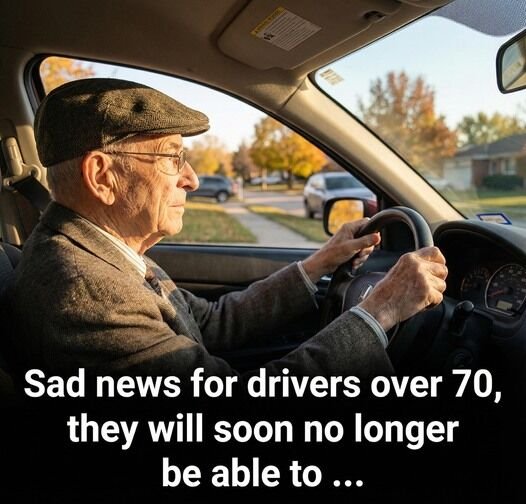
In response to these concerns, several European nations are moving toward a mandatory re-evaluation system slated for 2026. These proposed legislative changes would require individuals over the age of 70 to undergo comprehensive medical check-ups and practical driving assessments to ensure their reaction times remain within safe thresholds. While safety advocates argue these measures are necessary to prevent future tragedies, many in the senior community feel unfairly targeted, arguing that fitness to drive should be assessed based on individual health rather than a blanket age-based restriction.
The emotional and practical consequences of “taking away the keys” extend far beyond the courtroom and into the family home. For many, this transition represents a painful role reversal and a significant loss of mobility that can lead to social isolation. Experts emphasize that for these laws to be successful, governments must invest in robust and accessible public transportation networks. Ensuring that seniors remain active participants in society without the need for a personal vehicle is the only way to balance collective safety with the respect and care owed to an aging population.