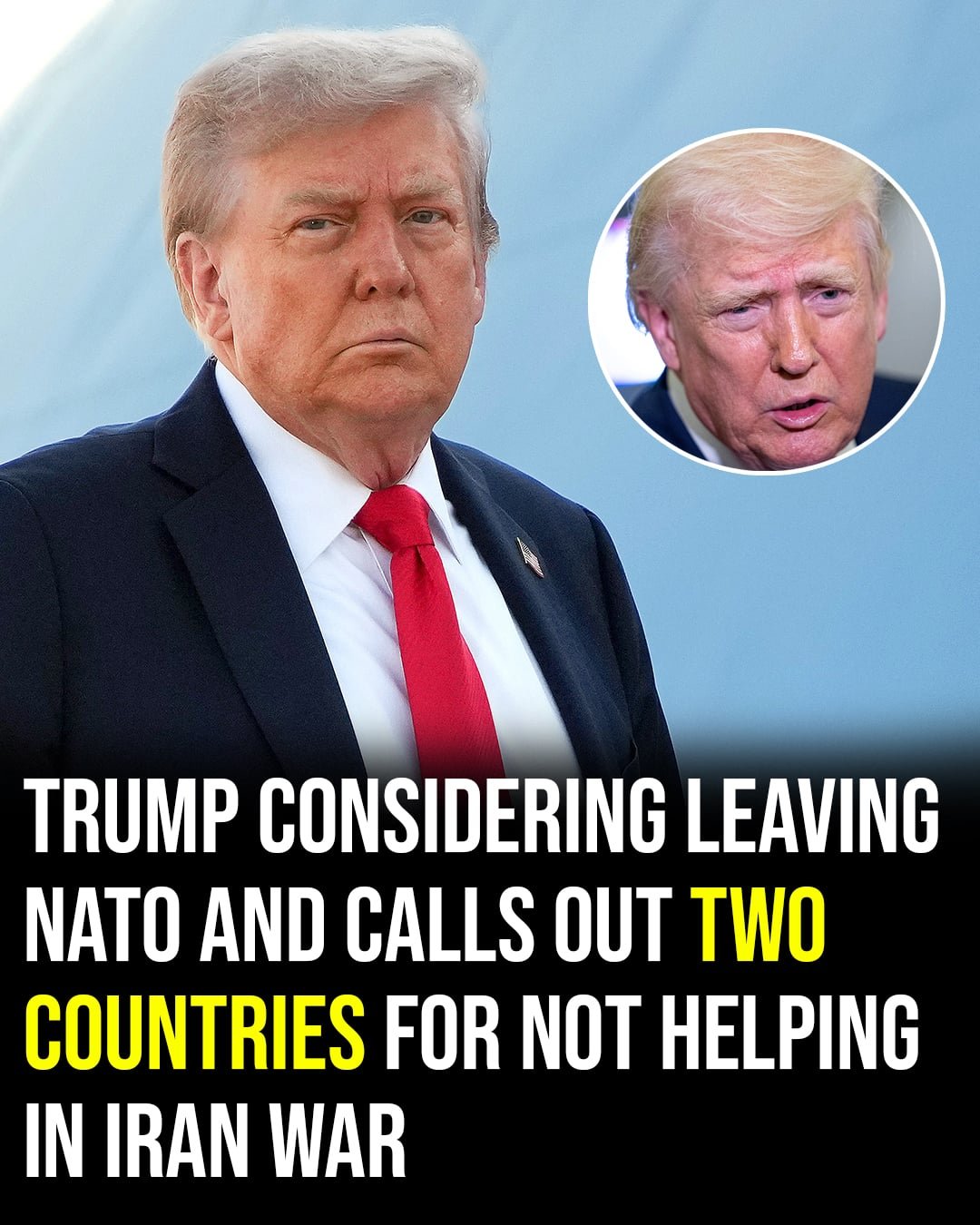
The geopolitical stability of the Western world was recently thrust into turmoil as Donald Trump issued a series of blistering statements that directly challenge the survival of the North Atlantic Treaty Organization (NATO). Branded as a “paper tiger” by the former president, the alliance now faces the unprecedented possibility of a total United States withdrawal. This dramatic shift comes at a time of extreme global sensitivity, specifically during an active and expanding conflict with Iran, leaving European capitals scrambling to understand the implications of a world without a unified American security umbrella.
For decades, the ironclad assumption of the post-war international order was that Washington would act as the ultimate guarantor of European security. However, by transforming this guarantee into a transactional negotiation, Trump is effectively dismantling the psychological bedrock of Western defense. He has specifically leveled harsh criticisms against Britain and France, accusing two of America’s oldest allies of strategic freeloading and cowardice. This public shaming marks a radical break from traditional diplomacy, signaling a new era where protection is no longer a given.
The timing of these verbal attacks is particularly alarming to military analysts, as active warfare usually demands a display of unwavering solidarity. Instead of a unified front, Trump chose to mock the capabilities of the British Royal Navy and accused the French government of obstructing vital support for Israel. This rhetoric reframes NATO as a business arrangement where Article 5 protection is contingent upon immediate and total cooperation with U.S. objectives, rather than a mutual defense pact based on shared values and long-term history.
As trust between Washington, London, and Paris erodes, global adversaries in Moscow, Tehran, and Beijing are watching the fracture with intense interest. The deterrent power of NATO relies on the belief that members will fight and die for one another; once that belief is publicly questioned by its most powerful member, the organization’s influence is severely compromised. Even if the alliance survives this crisis, the psychological damage may be permanent, forcing European leaders to consider a future where they must provide for their own defense without American guarantees.