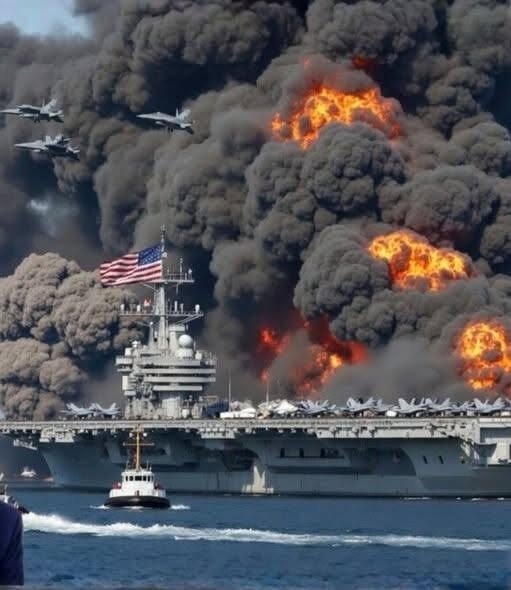
In the high-stakes theater of modern geopolitics, a single unverified rumor can ignite a global firestorm. Currently, the digital landscape is being scorched by a viral narrative claiming a catastrophic military attack on a heavily protected naval vessel. These reports are often cinematic and highly detailed, moving through social media feeds with the velocity of a heat-seeking missile. However, despite the frantic reposting, there remains no credible, confirmed evidence from any official government institution, ministry of defense, or international military alliance to support these claims. We are witnessing a classic case of “information laundering,” where speculation is repeated so frequently that it begins to mimic the appearance of verified fact.
This phenomenon highlights a fundamental crisis in the digital age: the triumph of urgency over accuracy. Agencies responsible for global security, such as the Pentagon and NATO, operate under strict protocols that prioritize verification over speed to prevent accidental escalations. When a military asset is involved, the process of releasing information is a vital safeguard against starting actual conflicts based on errors. In the absence of an official “yes” or “no,” the resulting information vacuum is often filled by anonymous accounts and algorithmic amplification, creating a distorted reality where the loudest claims are perceived as the truest.
The mechanics of this misinformation are well-documented by research institutions like the Pew Research Center, which notes that military actions are uniquely vulnerable to “rumor spiraling.” High public interest combined with limited early data creates a fertile ground for speculative fiction. Social media algorithms, designed to prioritize engagement, often boost this sensational content, essentially handing a megaphone to unverified sources. By the time an official spokesperson can clarify the situation, the false narrative has already influenced everything from diplomatic tensions to global financial markets, proving how volatile the information ecosystem has become.
The consequences of jumping to these conclusions are far from academic and can trigger knee-jerk diplomatic responses or spark unnecessary panic among civilian populations. Organizations like the United Nations and UNESCO have warned that false narratives in security situations can complicate real-world diplomacy and contribute to the escalation of hostilities. Verification remains the only antidote to this chaos. Choosing to wait for a verified report from a reputable international news organization is not a sign of being “behind the curve,” but rather an act of responsible citizenship in a world where the line between breaking news and digital fabrication is thinner than ever.