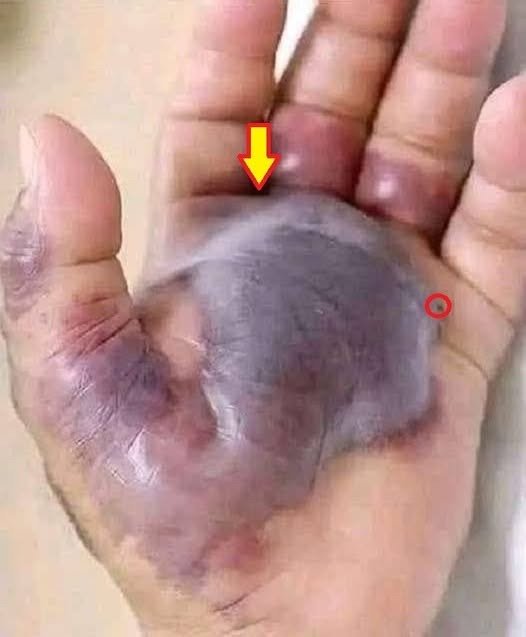
What began as a seemingly insignificant sting or minor cut quickly spiraled into a harrowing medical emergency, leaving even seasoned professionals in shock. A routine irritation, the kind most people dismiss without a second thought, escalated into an aggressive, fast-moving infection that caused a patient’s hand to turn visibly black. This alarming case has prompted doctors to issue a widespread warning about how quickly localized damage can transform into a life-threatening situation when the initial signs are ignored.
Medical experts suspect several possible culprits for such rapid tissue death, or necrosis. One primary concern is a bite from a venomous spider, such as a brown recluse or black widow, which may not cause immediate pain but can deliver toxins that destroy tissue silently. Alternatively, aggressive bacteria can enter through the smallest break in the skin, such as a scratch or irritated patch. In certain environments, these bacteria multiply with terrifying speed, leading to conditions like sepsis which can shut down vital organs if not treated immediately.
Recognizing the warning signs is the most critical step in preventing irreversible damage. Early red flags include rapid, progressive swelling and skin that feels unusually tight. Most tellingly, color changes—where the skin shifts from deep red to purple and eventually black—indicate that the tissue is no longer receiving blood flow. Intense, worsening pain that feels completely disproportionate to the size of the wound, accompanied by systemic symptoms like fever or dizziness, suggests that the infection is no longer localized and requires emergency intervention.
The difference between a full recovery and a life-altering outcome often comes down to timing. Doctors emphasize that while prevention through simple habits like wearing gloves and keeping wounds clean is ideal, immediate action is mandatory once symptoms appear. Many people hesitate, hoping the issue will resolve on its own, but aggressive infections do not wait. Seeking medical care at the first sign of abnormal swelling or discoloration can prevent the need for invasive surgeries or even amputation, underscoring the reality that no injury is too small to monitor.