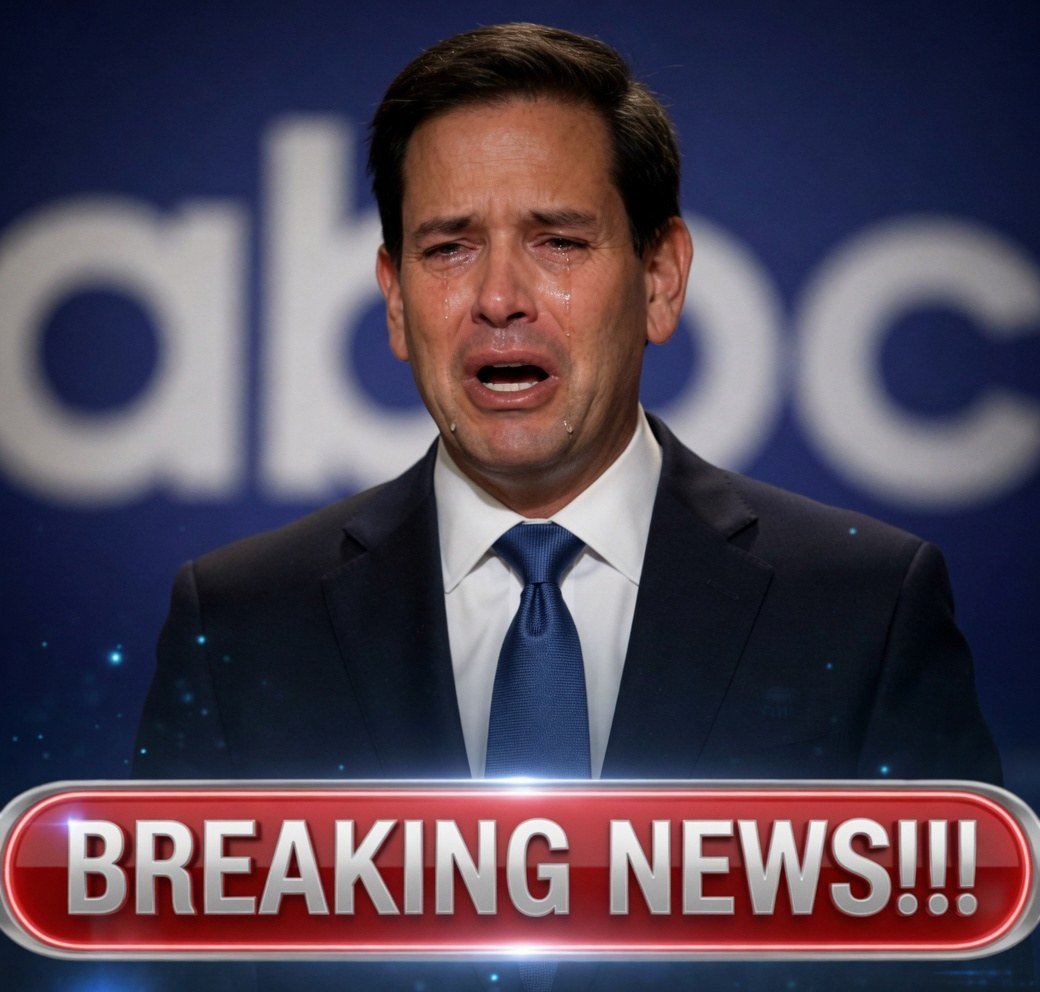
In the heart of Washington D.C., a profound shift in power is occurring far from the cameras of the Capitol or the White House briefing room. Under the quiet leadership of Marco Rubio, a nondescript office has become the most critical hub for the administrative state, orchestrating a tactical takeover of the regulatory machinery that governs every aspect of American life. This isn’t a battle fought with public speeches, but rather a calculated effort to control the final gate through which every federal rule must pass, effectively reshaping the nation’s future from the shadows.
This office functions as a strategic filter, possessing the unilateral authority to stall or dismantle protections for labor rights, air quality, and public health before they ever reach the public eye. By focusing on ‘regulatory efficiency,’ Rubio’s team can edit or remove consequential language from digital documents, a process critics call ‘policymaking by subtraction.’ While federal agencies spend years crafting data-driven rules, this centralized review process can undo that work in mere weeks, often without a clear deadline or a public explanation for the changes made.
The implications for democratic accountability are staggering. Unlike the transparent voting records of Congress or the public comment periods of federal agencies, the review phase under Rubio’s command often resembles a black hole. Protections vital to the middle class can vanish without a fingerprint, as this ‘silent veto’ allows an unelected administrative process to override the intent of legislators. It transforms federal rules from fixed standards into fluid negotiation points, creating a chilling effect where agencies may self-censor their own proposals to avoid a procedural stalemate.
For the average citizen, the results of this power shift are felt but rarely seen. Whether it is the delay of safety standards for local water supplies or the softening of guidelines meant to prevent wage theft, the impact is immense. As 2026 unfolds, the true mechanics of power are no longer found in ballots or headlines, but in the margins of administrative code. Marco Rubio has positioned himself as the primary architect of this hidden economy, proving that in the modern era, the pen of a reviewer is often more influential than the vote of a legislator.